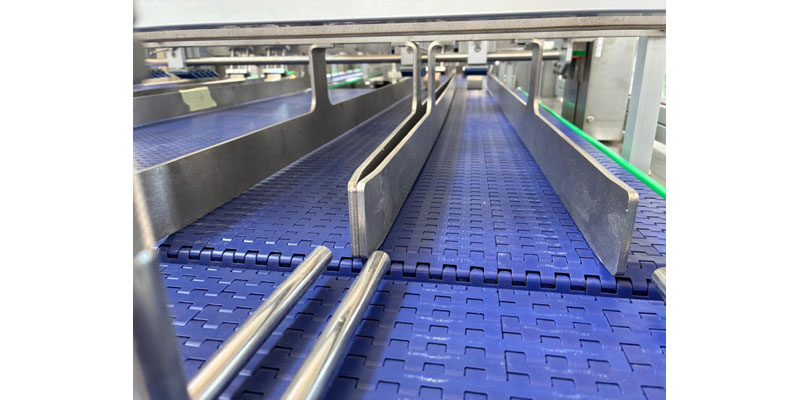
Behind every efficient food production line is a conveyor system designed to handle products safely, hygienically and consistently. Conveyor belts play a critical role in that performance, influencing product handling, cleaning requirements, reliability and service life.
The optimal specification depends on the product being conveyed, operating temperatures, conveyor layout, cleaning regime and process requirements. A belt that performs well on a horizontal transfer conveyor may be unsuitable for an oven discharge, steep incline or curved conveyor. The material and belt construction must be matched to the application.
Understanding the Application
Successful belt selection starts with understanding the operating conditions. Temperature, conveyor speed, product weight, incline angles, belt tension and conveyor configuration all influence performance, as do product characteristics such as moisture, oil content, stickiness and abrasiveness.
Cleaning requirements should also be considered from the outset, particularly where belts are exposed to water, chemicals or frequent washdown procedures.
Controlling Product Movement
Different conveying applications require different surface characteristics. Inclined conveyors need additional grip to prevent products slipping or becoming misaligned, using textured surfaces, ribs, cleats or flights where necessary. However, excessive grip can damage delicate products, making controlled traction essential.
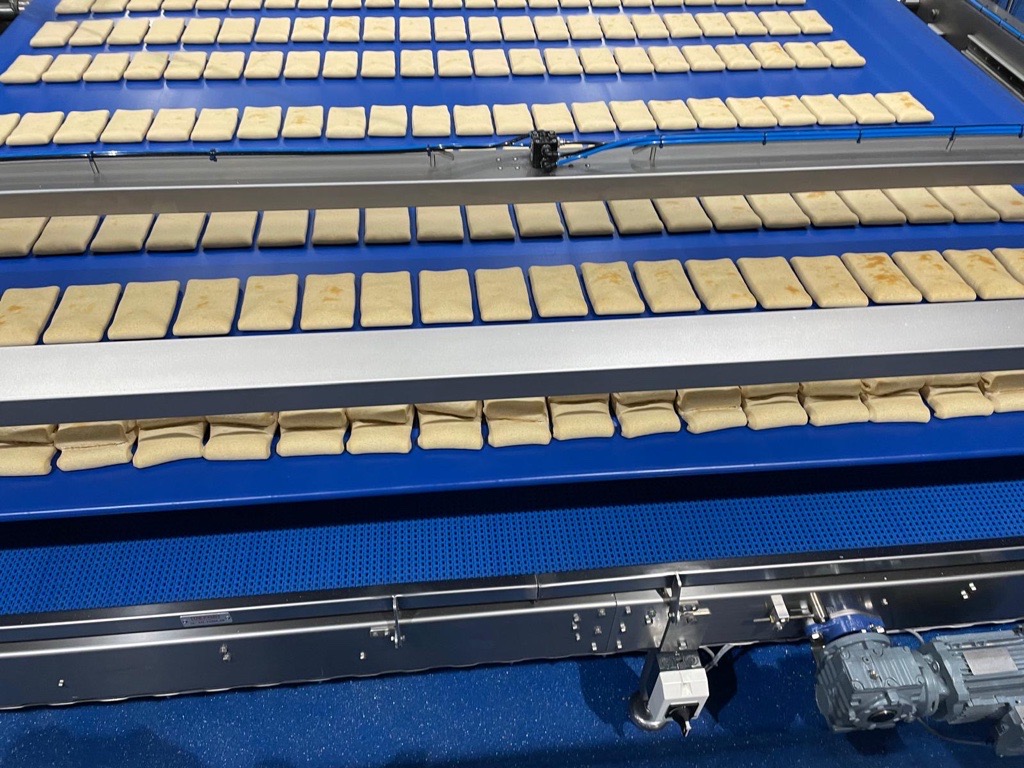
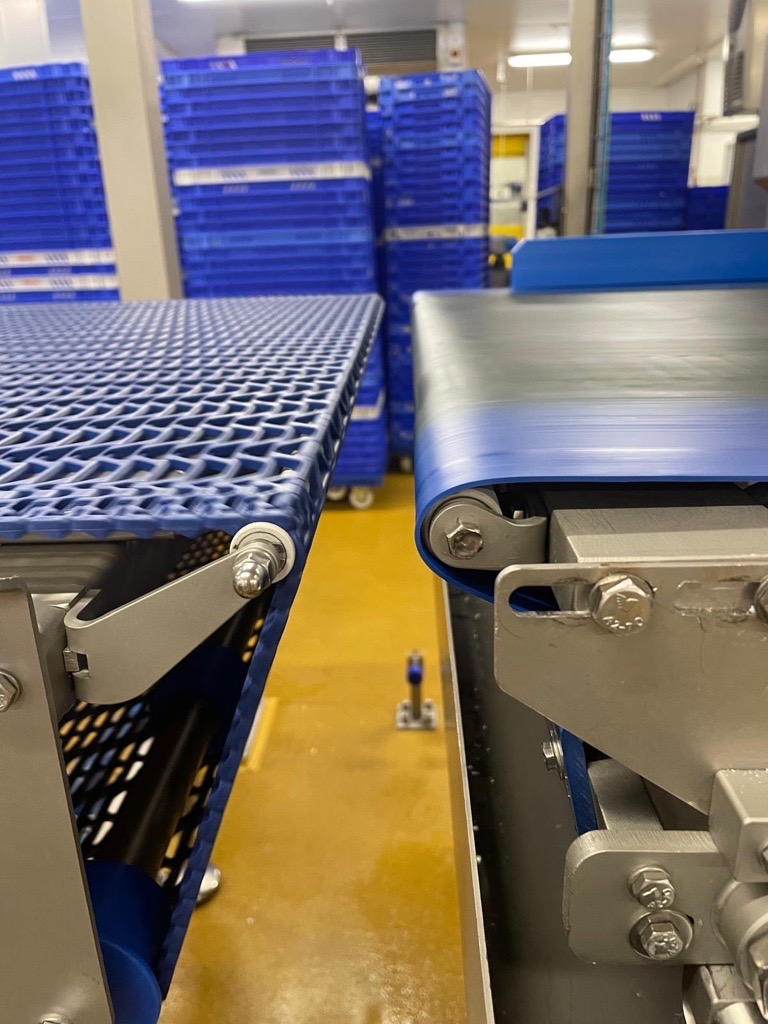
Where products must be conveyed at steeper angles, cleats, flights, sidewalls or pocketed belt designs can help prevent rollback, while also providing additional product containment. Other conveyor sections may require the opposite approach. Transfer and accumulation areas often benefit from lower-friction surfaces that allow products to move smoothly and predictably. As a result, multiple belt specifications are often needed across a single production line.
Heat Resistance and Product Characteristics
Heat resistance is a key consideration in bakeries and other food-processing environments that use ovens, fryers and cooking systems. Materials such as silicone, PTFE, specialist polyurethane and heat-resistant rubber are often selected where standard thermoplastic belts may be unable to withstand sustained high temperatures or repeated temperature peaks.
When assessing heat resistance, product temperature, duration of exposure and frequency of temperature fluctuations should be considered alongside the belt’s temperature rating.
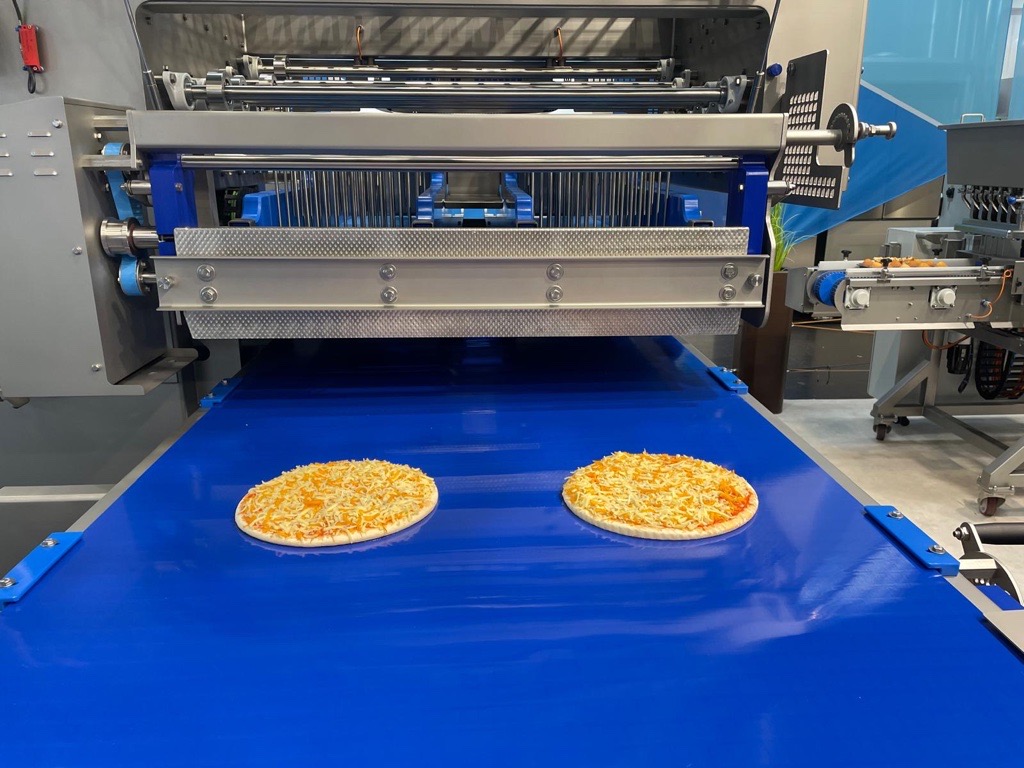
Product characteristics can also influence material selection. Dough, chocolate, oils, fats and sauces may create challenges around product release and cleaning. In these applications, low-adhesion surfaces, specialist coatings and specific polymer formulations can improve both process performance and hygiene.
Conveyor Layout and System Design
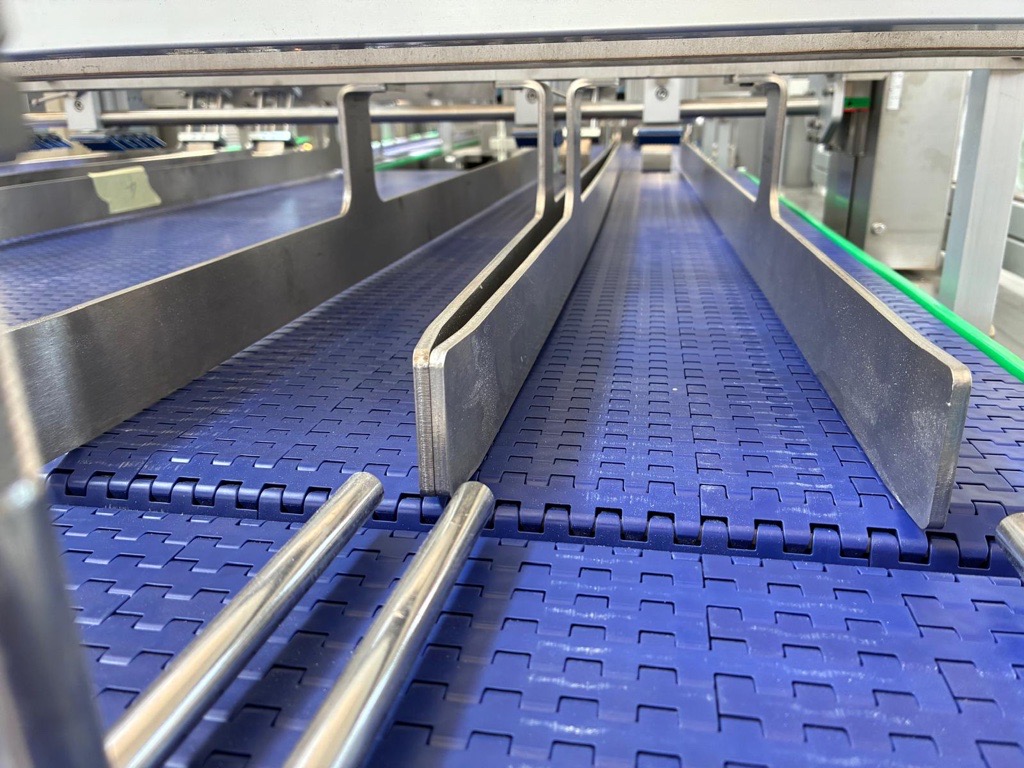
Conveyor layout plays an important role in belt selection. Curved conveyors require belts that can accommodate differing travel distances across their width. Modular and positive-drive radius belts are often used to maintain smooth tracking and reliable operation around bends.
Hygiene Must Be Built Into the Design
Hygiene is equally important. Food-contact compliance is only part of the specification process. Belt construction, joints, sprockets and other conveyor components should also support effective cleaning, inspection and maintenance.
In washdown environments, resistance to moisture and cleaning chemicals, together with effective drainage and drying, are critical for long-term performance.
Selecting the Right Solution
There is rarely a single conveyor belt specification suitable for an entire production line. Different stages require different belt materials, surfaces and constructions depending on their function.
By defining the application first and selecting the belt specification second, manufacturers can improve conveyor reliability while reducing unnecessary maintenance and product handling issues. Conveyor belts should therefore be viewed as essential process components rather than consumable items. Getting the specification right can have a significant impact on production performance and hygiene standards across the production process.
EPP works with food manufacturers across the UK and Ireland to specify conveyor systems and belt solutions tailored to their individual process requirements. For advice on selecting the most appropriate conveyor belt for your application, contact the EPP team on sales@eppltd.co.uk or visit www.eppltd.co.uk.