
Highly hydrated doughs can prove difficult to process, Michael Lomas, Sales Director at European Process Plant Ltd (EPP), explains how the latest oil-free dividing technology can help bakeries improve accuracy and consistency.
Alongside traditional sliced bread, baguettes and rolls, consumers are increasingly encountering products influenced by focaccia and pinsa, particularly within premium food-to-go ranges. Their texture and versatility provides retailers and manufacturers new ways to refresh their ranges.
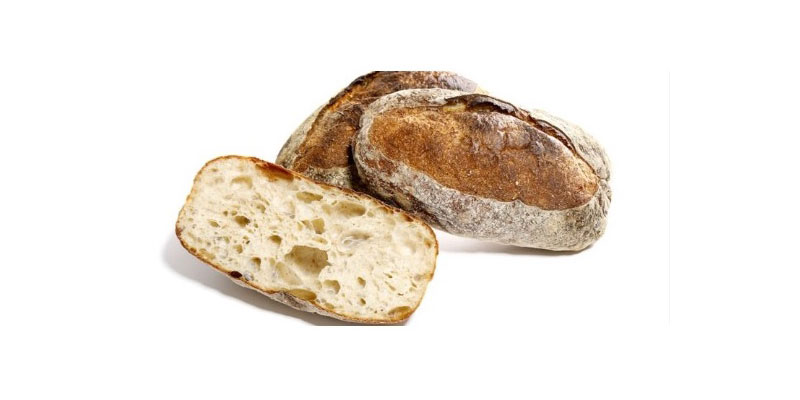
Many artisan-style products rely on highly hydrated doughs to achieve their characteristic open crumb and eating quality. However, the higher water content makes the dough softer, stickier and more difficult to divide to meet commercial production rates.
“The right equipment is essential when handling highly hydrated dough,” added Michael. “The divider must portion it accurately without compromising the structure that gives the finished bread its appeal.”
Removing oil from the dividing process
Through its partnership with Artezen, a long-established European dough-handling equipment manufacturer, EPP offers an oil-free dividing system that prevents dough from coming into contact with dividing oil. Its two-phase vacuum technology handles dough gently while maintaining accurate portion weights. Removing dividing oil helps maintain a cleaner working environment and simplifies routine cleaning. Separating the dough-processing area from the hydraulic system also supports hygienic equipment design.
Protecting dough quality and consistency
With wet doughs, excessive processing stress can compromise air retention and the open crumb associated with artisan-style bread. A controlled dividing action protects these qualities while producing consistently weighted portions, reducing product loss and supporting predictable baking. In high-volume production, even small weight variations can have a significant impact on efficiency.
Flexibility for an evolving bread market
As bakeries broaden their ranges, the ability to process varied doughs is becoming increasingly valuable. The oil-free solution from Artezen can accommodate established bread varieties and newer speciality formats, enabling producers to manufacture different recipes and portion sizes on one platform.
“There is particular potential in food-to-go,” Michael adds. “Pinsa-style products are becoming more visible in premium retail ranges, familiarising consumers with alternatives to the conventional sandwich carrier. The next opportunity could be a wider choice of filled breads that combine artisan-style qualities with the consistency required for scalable production.”
From concept to dependable production
Selecting a divider should begin with the product. Dough hydration, recipe, target weight, throughput and desired finished qualities will all influence the most appropriate solution. Trials using the bakery’s own dough can demonstrate how it performs and provides confidence before installation.
EPP works with UK and Irish bakeries to assess these requirements and match equipment to each application, with support extending to installation, commissioning and ongoing technical assistance.
As premium bread formats move into the mainstream, manufacturers need to scale production without compromising difficult-to-handle doughs. By combining gentle, accurate portioning with an oil-free process, the solution from Artezen offers a practical route to cleaner, more consistent and flexible production.
To find out more about EPP and their wide range of bakery equipment solutions, please visit.