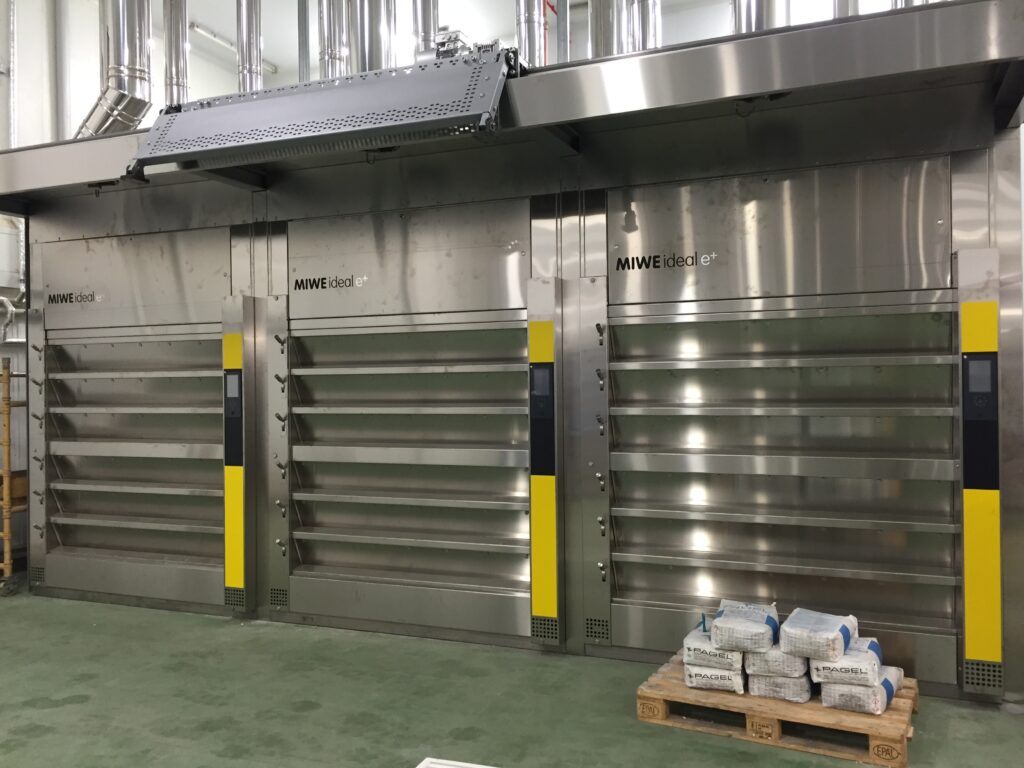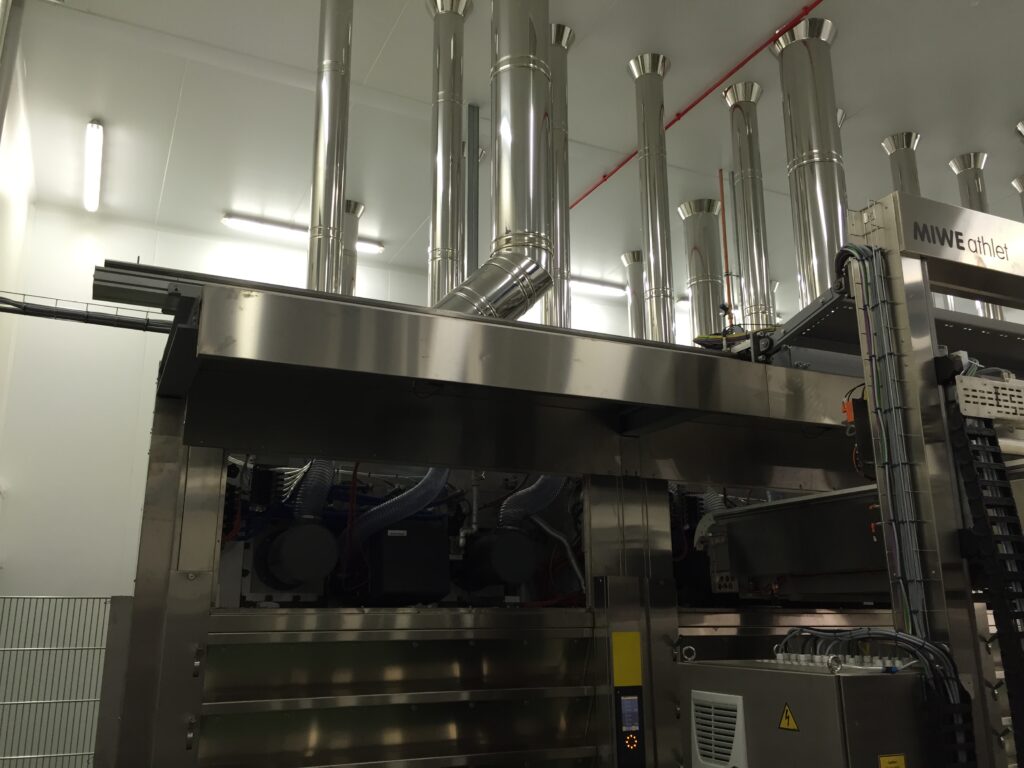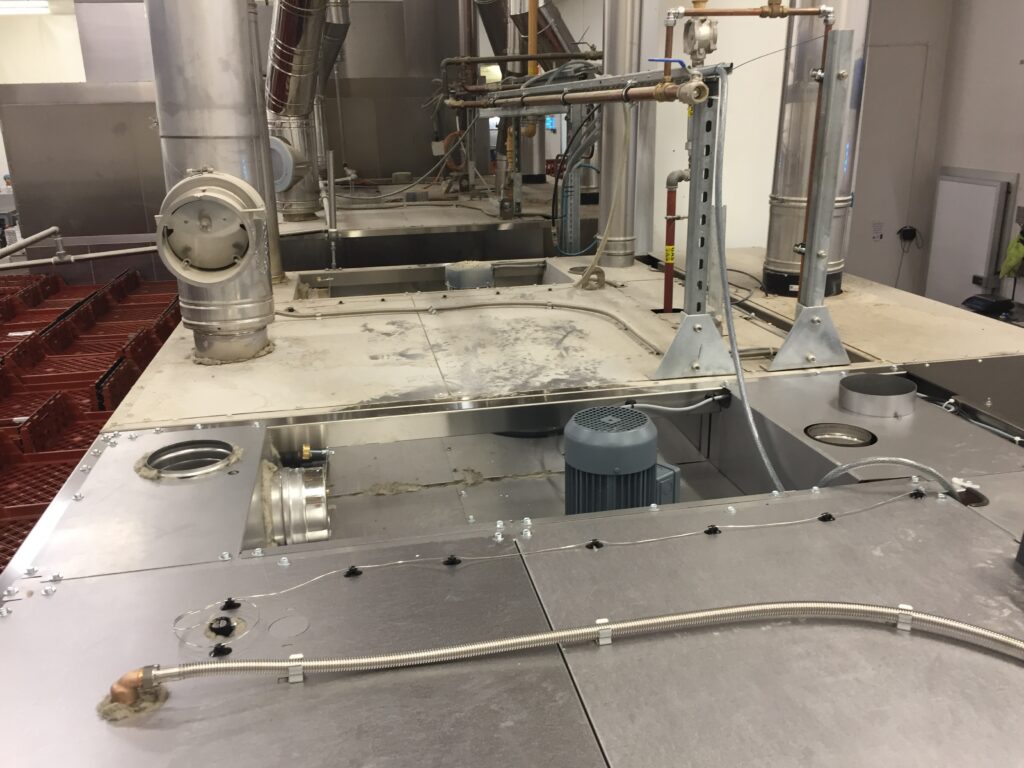
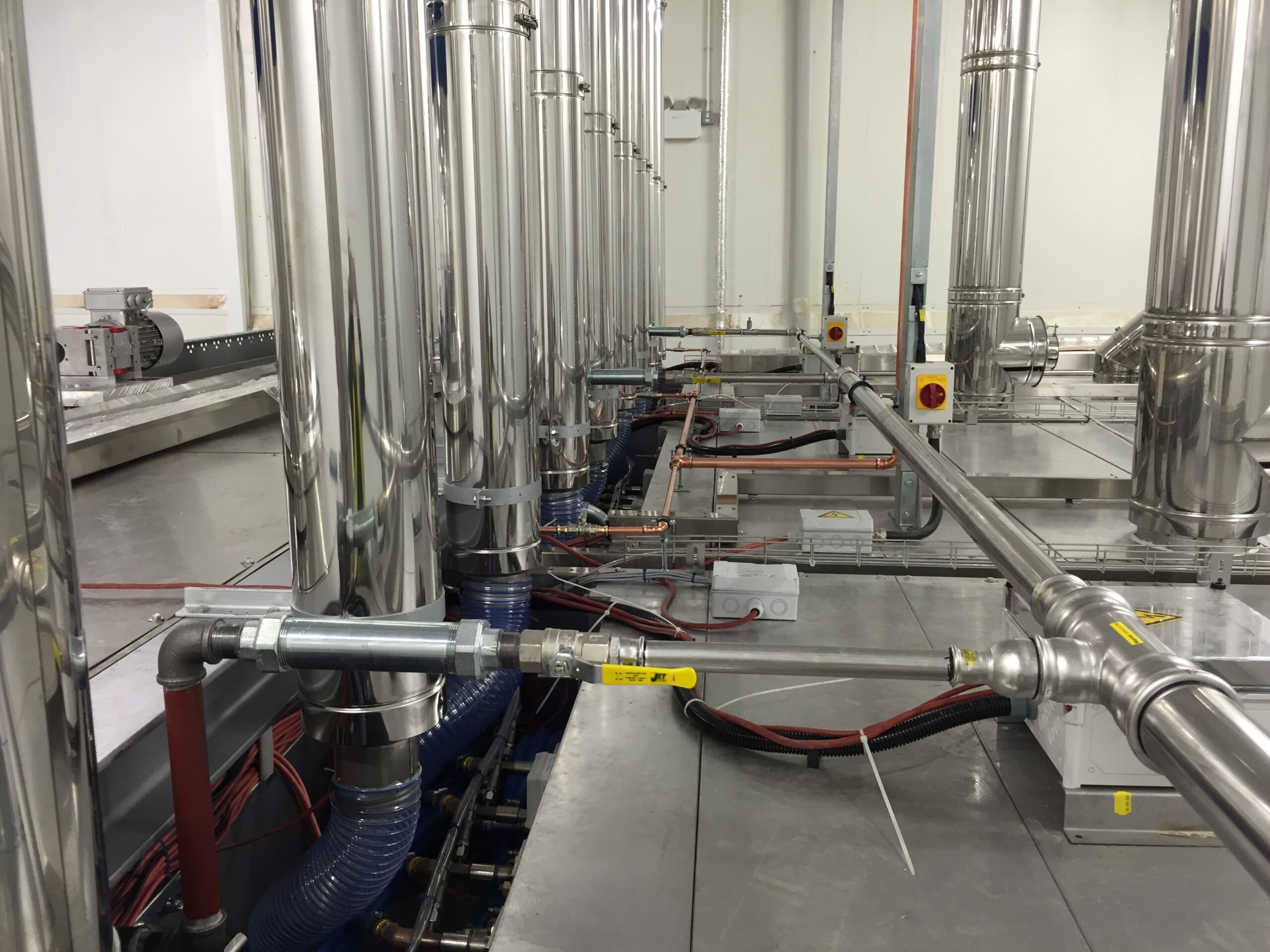
When bakers invest in a new industrial oven, the focus is often on burner technology, controls, insulation and energy efficiency. Yet one of the most critical elements influencing long-term performance is often overlooked at the specification stage and treated as little more than an installation detail, the flue.
For industrial bakeries, the flue is not simply an exhaust route, it is an integral part of the combustion system, with a direct impact on burner stability, fuel efficiency, bake quality, maintenance requirements and safe operation. With manufacturers under continued pressure to reduce energy consumption, improve productivity and lower emissions, flue design should be treated as an engineering priority from the outset.
An industrial oven operates as a balanced thermal system in which burners, combustion controls, airflow and the flue work together. If one element changes, the performance of the entire system changes. It is not uncommon for repeated burner lockouts, inconsistent temperatures or excessive gas consumption to be traced back to an incorrectly designed flue creating excessive back pressure or unstable draught conditions.
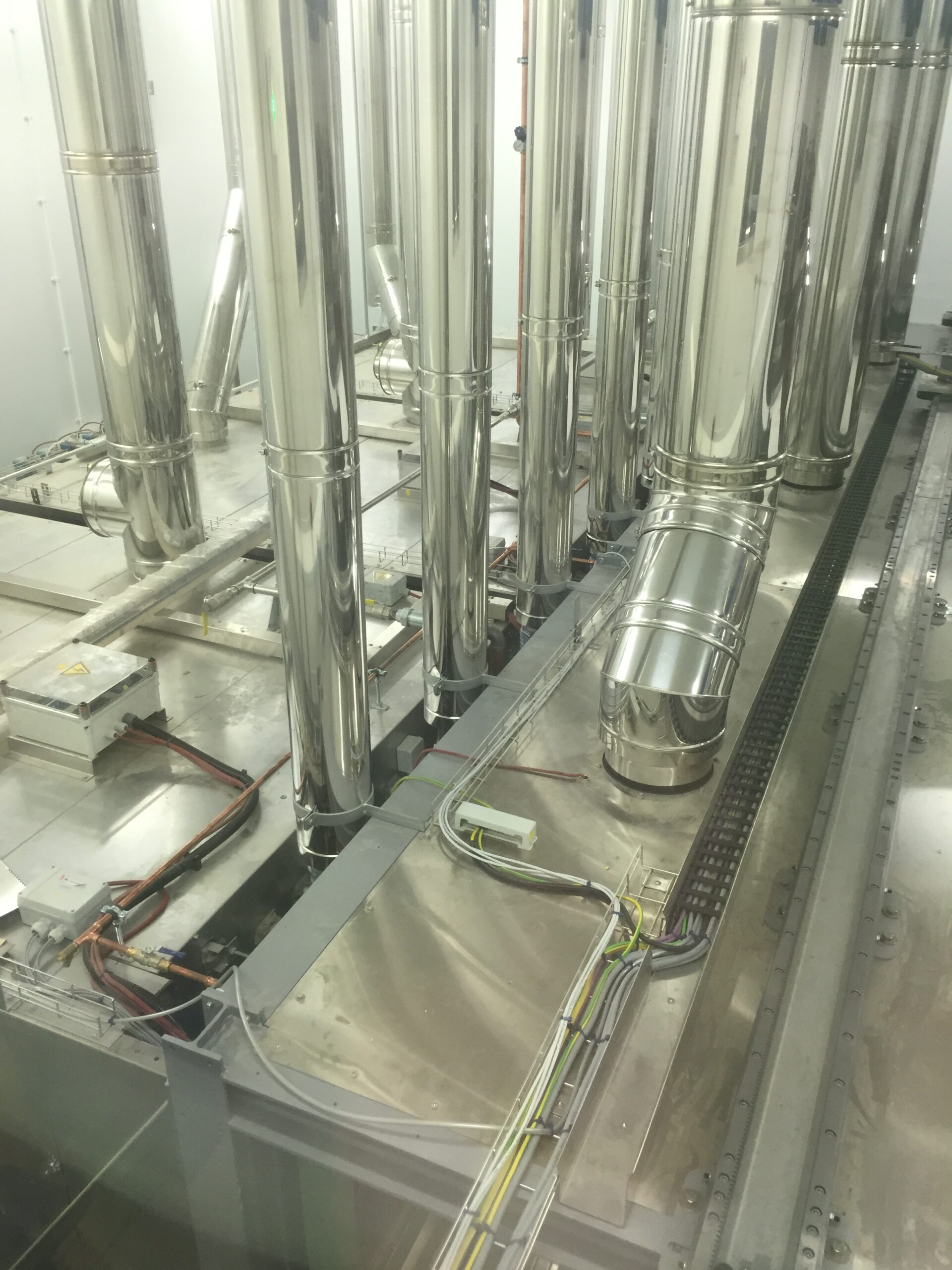 Correct flue design begins with a good understanding of combustion, where modern low-NOx burners are engineered to operate within tightly controlled pressure ranges and need stable conditions to performance efficiently. If a flue is undersized, resistance can increase, causing unstable flames, nuisance burner lockouts and higher carbon monoxide emissions. Conversely, an oversized flue may create excessive draught, removing valuable heat from the oven and reducing efficiency and increasing operating costs. Correct sizing depends on burner capacity, flue gas temperature, duct length, bends, vertical rise and insulation all needs to be considered and not something that should be determined by simple rules of thumb.
A practical example comes from work undertaken by the Carbon Trust, Campden BRI and Spooner Industries[1], which investigated the relationship between combustion air and flue gas management in commercial baking ovens. By balancing burner air with exhaust flow and dynamically controlling the removal of flue gases, gas consumption was reduced by approximately 4.7%, equivalent to savings of up to £14,000 per oven per year. The study concluded that relatively modest changes to exhaust and flue management could deliver significant improvements in thermal efficiency without major modifications to the oven itself.
Good flue design is also fundamental to regulatory compliance and safety perspectives. European Standard BS EN 746-2[2] sets out the safety requirements for combustion and fuel handling systems in industrial heat processing equipment, while BS EN 13384[3] provides recognised methods for calculating chimney and flue performance. These standards are not merely compliance documents, they capture decades of engineering experience to ensure combustion systems operate safely and efficiently throughout their service life.
Perhaps the greatest lesson is that flue design should never be considered after the oven has been specified. Early collaboration between oven manufacturers, combustion engineers, mechanical contractors and building designers enables the entire thermal system to be optimised. This not only reduces installation risks but also creates opportunities for heat recovery, lower emissions and easier maintenance.
Industrial ovens are a long-term capital investment, often expected to deliver reliable performance for decades. Over that time, energy costs, environmental requirements and production demands can all change. A flue designed only to meet today’s minimum requirements can quickly become a constraint on future efficiency, compliance and operational flexibility.
The most reliable and efficient oven installations are engineered as complete combustion systems and treat the flue as a critical part of that system. Manufacturers can improve efficiency, support safe operation, reduce emissions and protect long-term performance in an increasingly energy-conscious industry.
If you are considering investing in a new oven, EPP can help assess the wider system requirements and advise on equipment considerations to support safe, efficient and reliable operation. To arrange a discussion with the team, please email sales@eppltd.co.uk. You can also find out more about EPP’s bakery equipment range at http://www.eppltd.co.uk.
[1] https://www.campdenbri.co.uk/case/oven-efficiency-saving.php
[2] https://landingpage.bsigroup.com/LandingPage/Undated?UPI=000000000001121130
[3] https://landingpage.bsigroup.com/LandingPage/Series?UPI=BS%20EN%2013384