When UK bakers look to Japan, it’s often the unusual flavours and eye-catching products that get the attention. Yet the more valuable lessons may lie in something less obvious, namely the systems and processes that allow bakeries to deliver the same quality product every day.
By Steve Merritt, Managing Director, European Process Plant Ltd
During a recent visit to Japan, the one thing that stood out immediately was the remarkable attention to detail in both presentation and product quality. This came across in products that were sold in convenience stores, department food halls or independent bakeries. Different businesses approached it in different ways, but customers always knew exactly what they were getting. Japan has one of the world’s most sophisticated bakery and food retail markets, with products that are inventive, highly visual and consistently executed. For UK bakers, the lesson is not simply to copy Japanese trends, but to consider how the same attention to detail could be applied to products, processes and customer expectations.
Merchandising Built on Trust
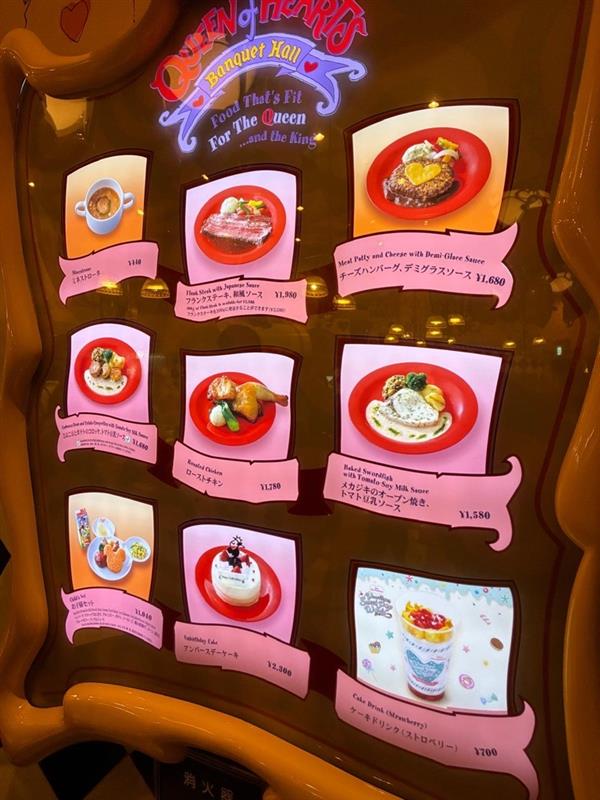
One of the most recognisable features of Japanese food retail is the use of highly realistic food models outside restaurants and cafés. These displays are eye-catching, but they also play an important practical role. By showing portion size, fillings and presentation clearly before purchase, they remove uncertainty and help customers make confident choices.
This principle is highly relevant even without physical display models. Clear product photography, accurate descriptions and well-presented counters can all help set the right expectation at the point of sale. Whether promoting a filled sandwich, sweet bun, premium pastry or seasonal special, the aim should be to make the customer experience feel transparent, reliable and true to what is being offered.
Packaging That Protects Quality
Japanese food packaging is often discussed in terms of material use, and sustainability remains a key consideration. However, from a production perspective, what stands out is how carefully packaging is designed around the product itself.
Delicate pastries are protected, filled products hold their shape and decorated items arrive intact, maintaining the products appearance and shelf-life. One of the most useful takeaways for UK bakers is looking at product format, handling, automation, wrapping, cooling and distribution as connected parts of the same process.
Innovation That Can Be Produced Consistently
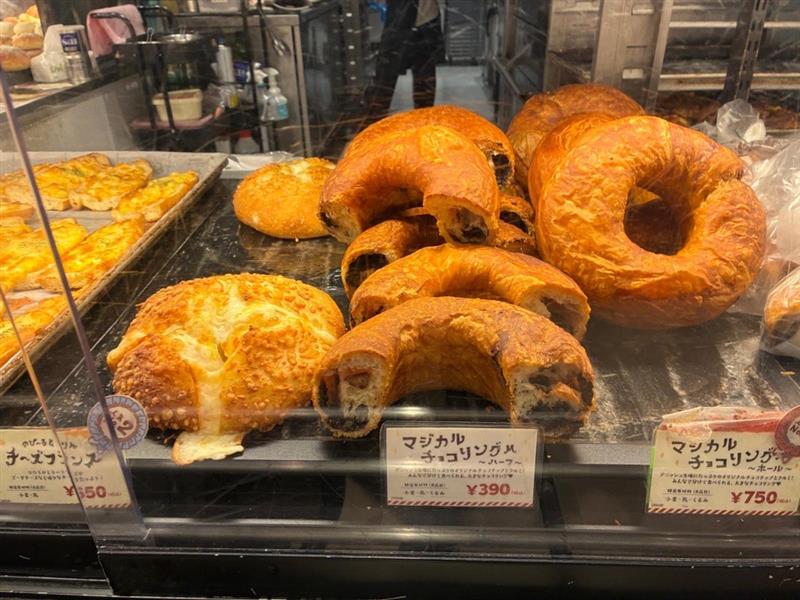
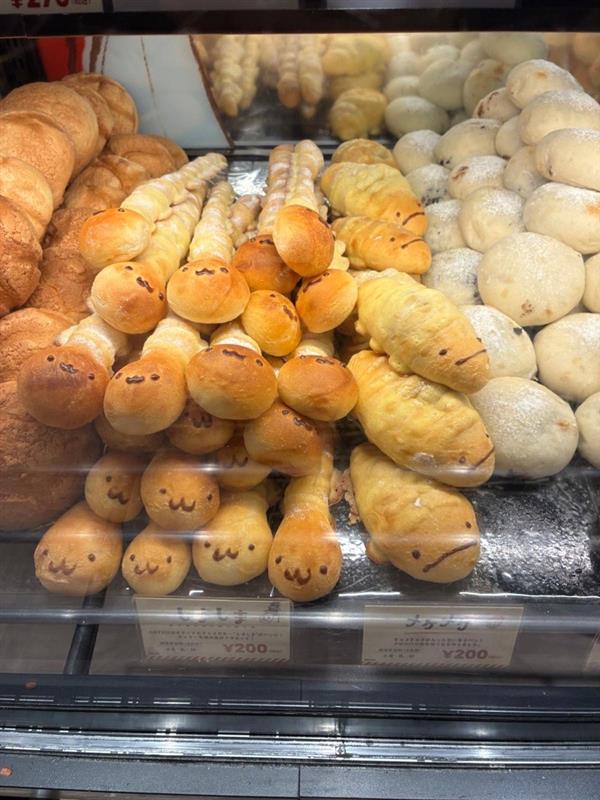
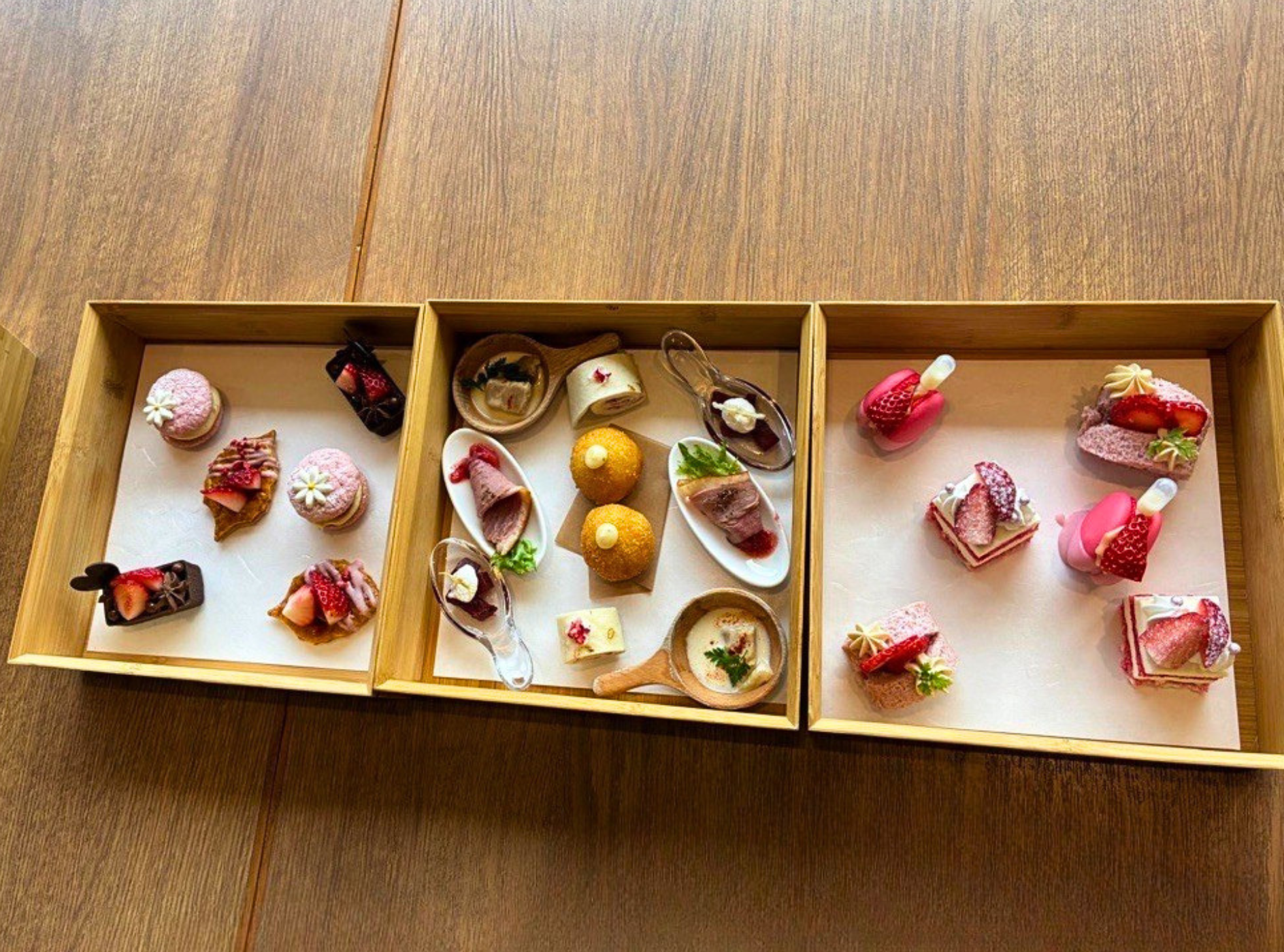
Japanese bakeries offer a wide range of innovative products, from soft milk breads and filled buns to savoury pastries, cream-filled fruit sandwiches, matcha products and seasonal lines. What is most impressive is not just the creativity, but the execution, these products are produced, displayed and sold with the same consistency as core lines.
For innovation to deliver value, products must be reliably repeatable. For example, a new filling, topping, shape or seasonal product may create interest, but it also needs the right mixing, proving, depositing, shaping, baking and cooling process behind it. This is where equipment choice becomes critical. The right machinery gives producers the flexibility and reliability to introduce new ideas without compromising throughput, labour efficiency or quality.
Regional Identity Adds Commercial Value
Japanese bakeries often use regional identity to add value, with products reflecting local ingredients, seasonal produce or regional specialities. This is highly relevant to the UK, where regional bakery heritage is already strong, from Cornish saffron buns and Yorkshire curd tarts to Eccles cakes, Welsh cakes and Scottish morning rolls.
The opportunity lies in how bakeries modernise and scale these ideas. Regional products can become premium, adapted for new occasions or developed into seasonal ranges, provided they can be made efficiently and consistently.
Product Integrity Comes Down to Process
In Japan, product consistency is treated as part of the idea itself. Appearance, size, texture and eating quality all contribute to the product’s value, reinforcing an important lesson for UK bakers, true product integrity depends on repeatability. A product that performs well once may generate interest, but a product that performs well every time builds confidence, loyalty and long-term commercial value.
That reliability is created across the whole production process, from ingredient handling and dough development to proving, baking, cooling, slicing, depositing and packaging. Each stage affects the next, which means small inconsistencies can quickly show up in the finished product. Well-specified equipment gives bakers greater control over these variables, helping them maintain quality, protect margins and scale production without compromising the standard customers expect.
Looking Beyond Flavour Trends
Japanese bakery retailing shows what can happen when product development, presentation, packaging and process are aligned. Customers are given choice and creativity, but also reassurance that the product will meet expectations. New ideas will always matter, but they must be supported by robust production methods, reliable equipment and an understanding of how each stage affects the finished product.
For bakers looking to develop new products, improve consistency or scale production without compromising quality, the starting point should be a closer look at the process behind the product. By working with equipment specialists such as EPP, bakeries can turn creative ideas into commercially successful ranges that perform day after day.
For more information about EPP’s wide range of bakery equipment visit www.eppltd.co.uk.